Overview
Key Features
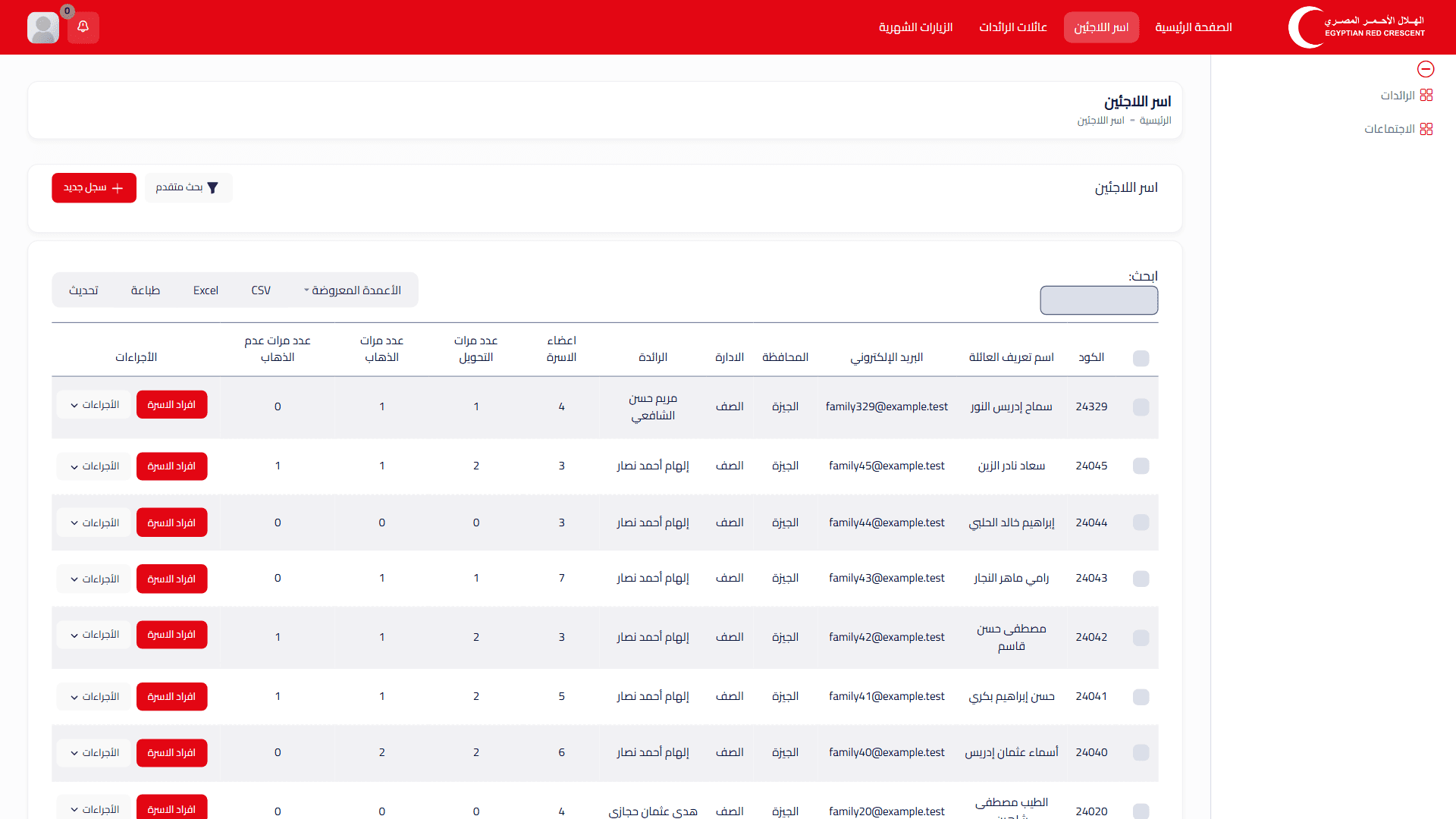
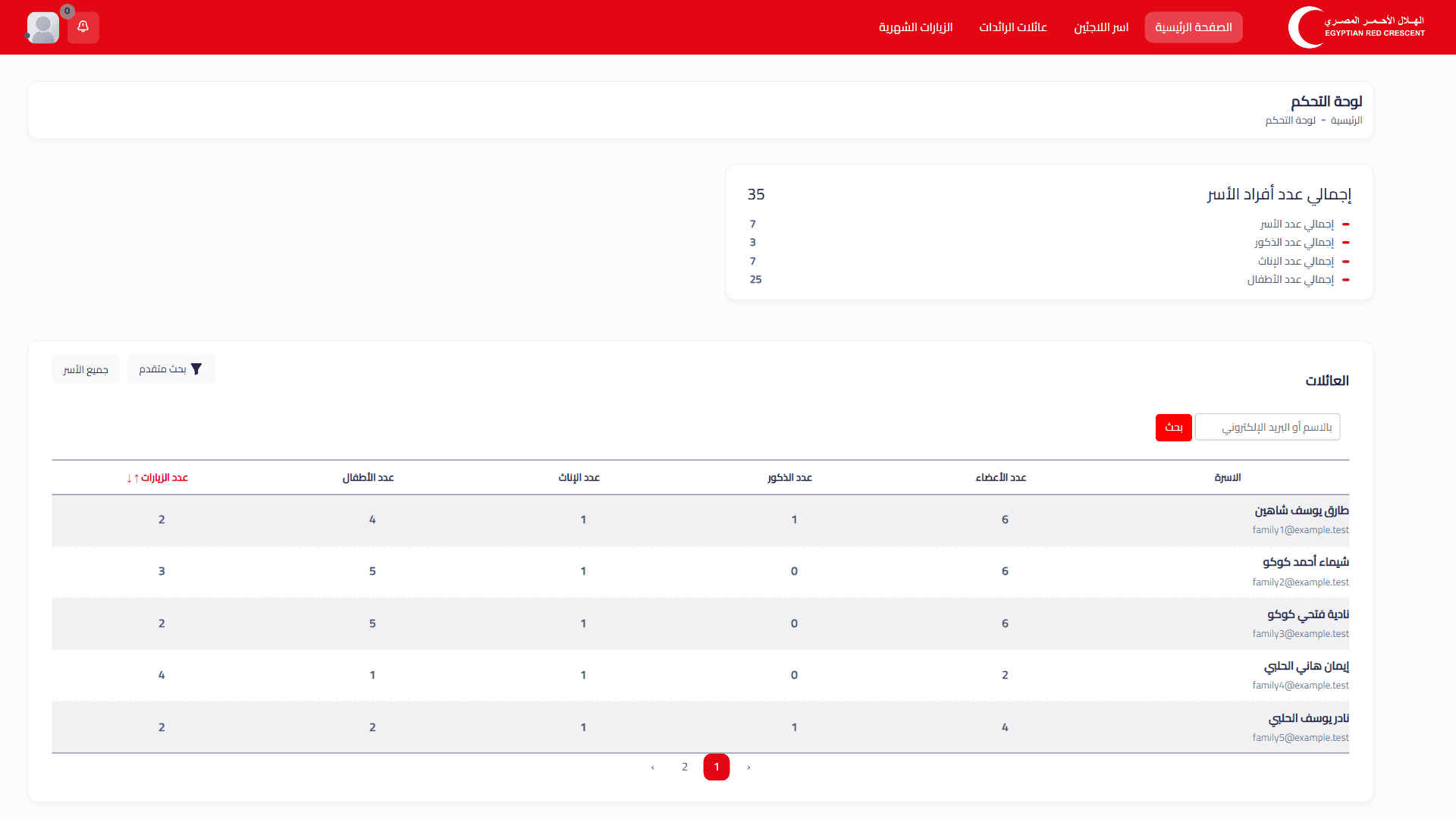
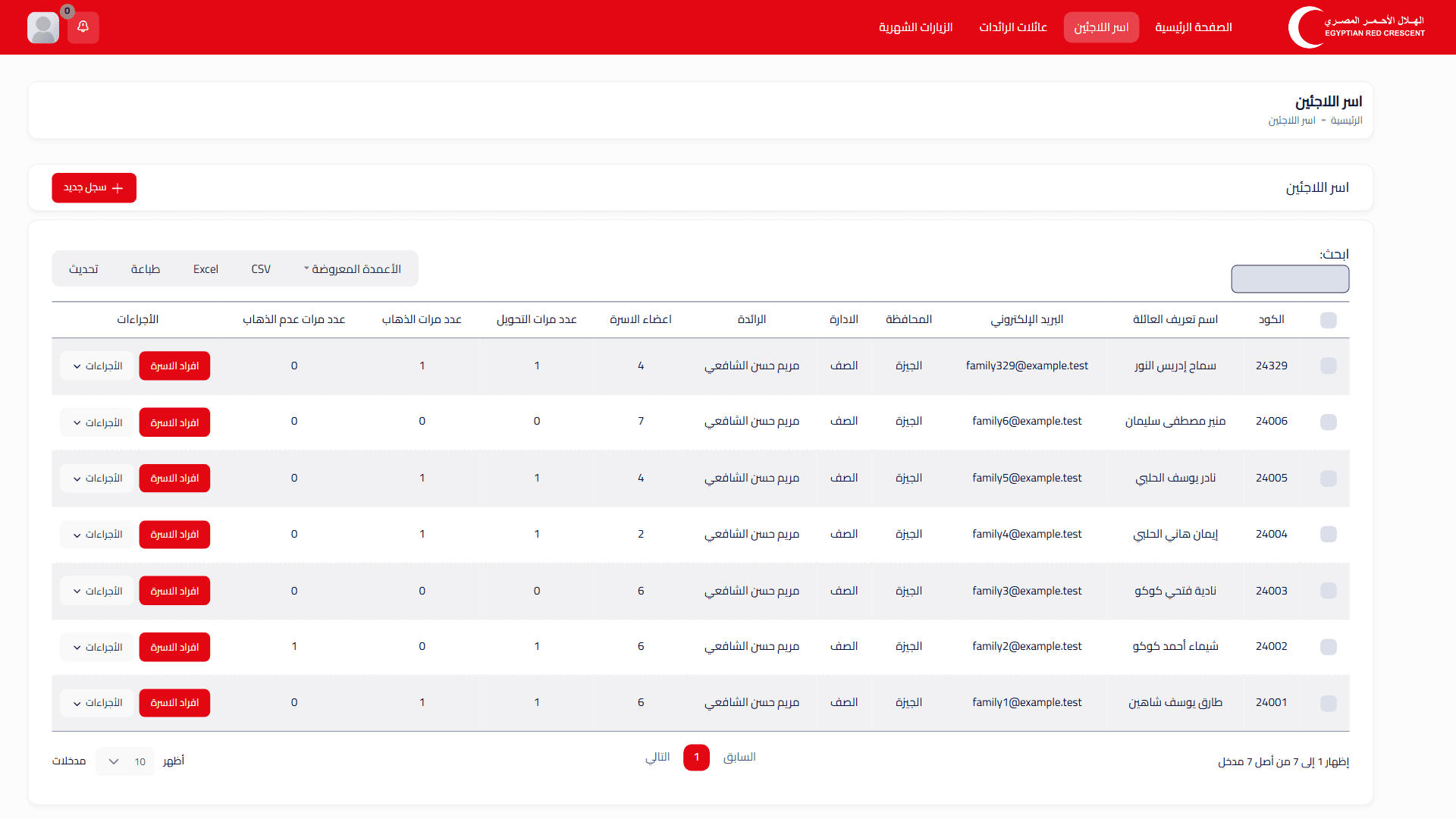
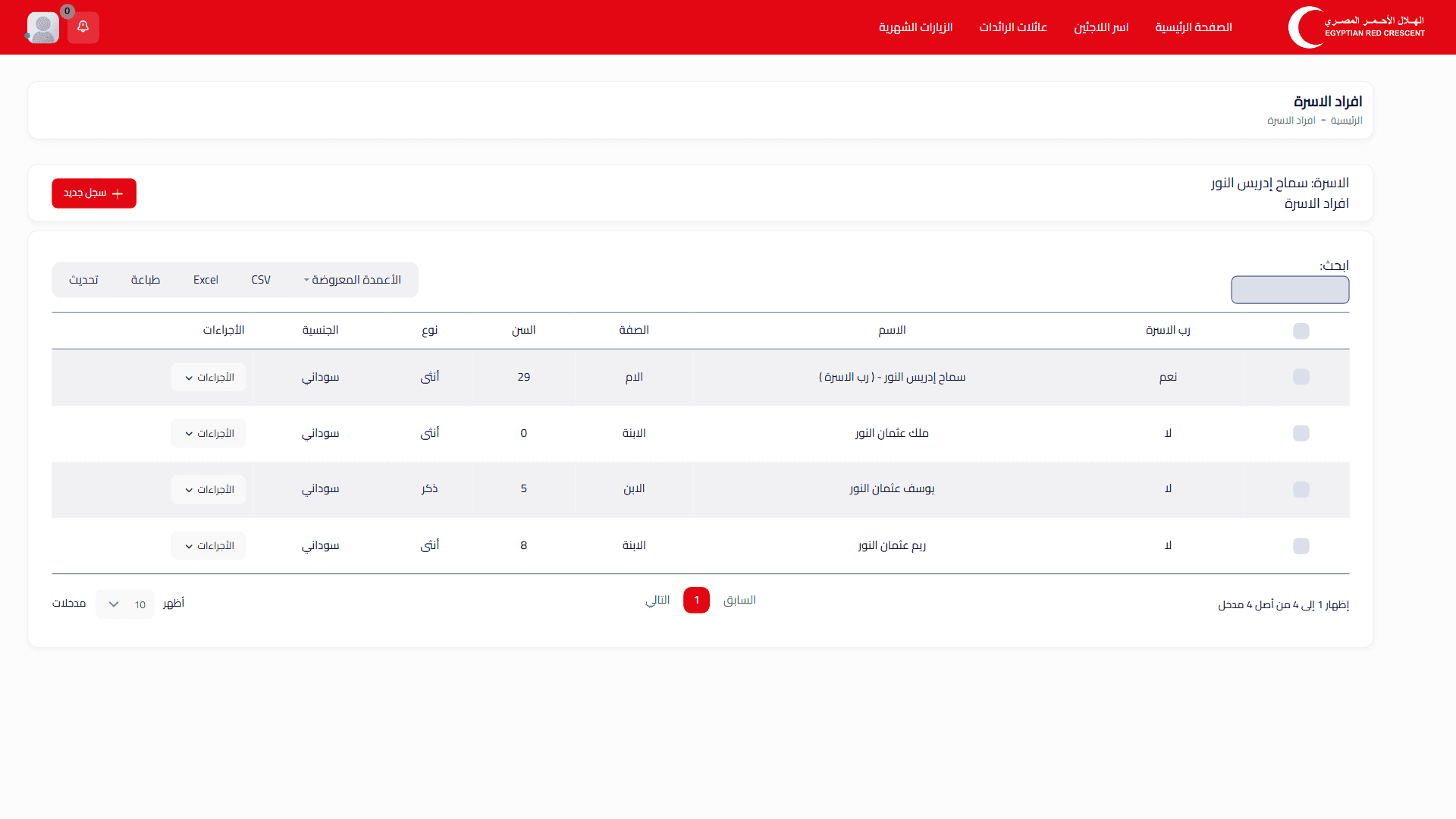
- Family register: Each family is registered once, with its members, nationality, registration status with the refugee agency, and the support it receives. Members carry their relationship, age, education, work and health status.
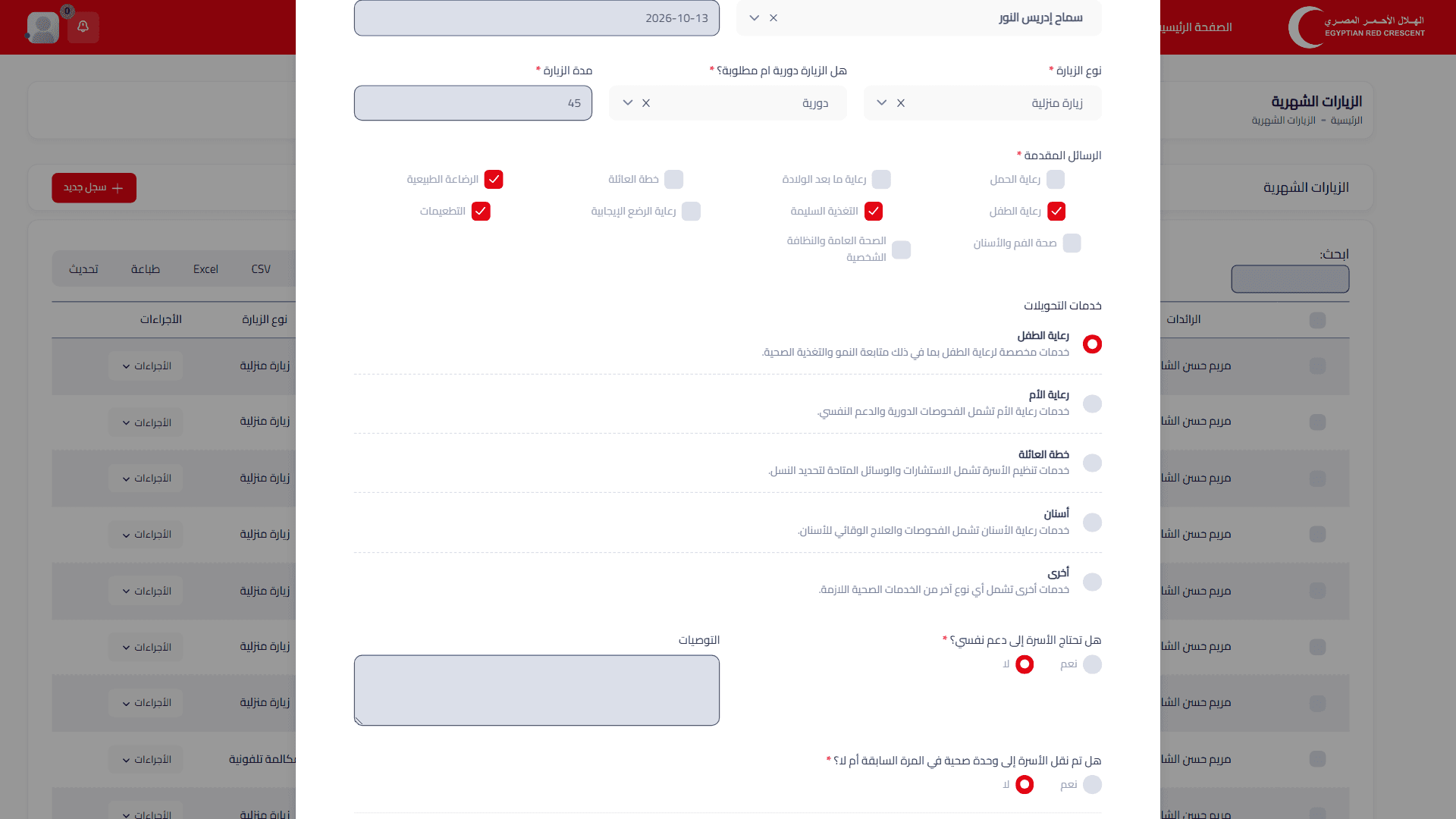
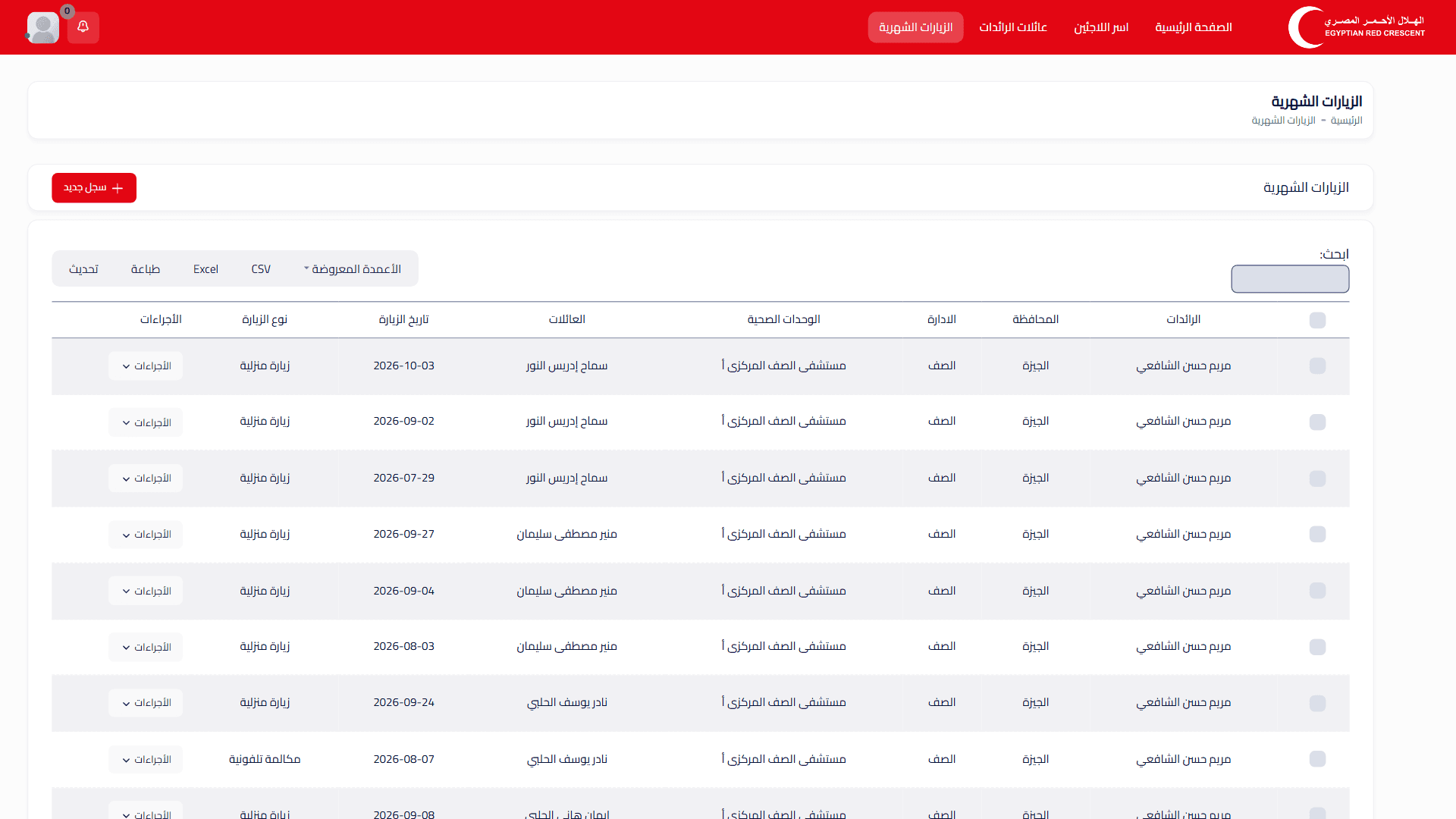
- Monthly visits: One form per visit covers the kind of visit, the ten health messages a pioneer can give (from pregnancy care to vaccinations), a referral to child care, mother care, family planning or dental services, and whether the family needs psychological support.
- Referral follow-through: Each visit asks whether the family was referred last time and whether it went. The family list shows, per family, how often it was referred, how often it went and how often it did not.
- Three levels of access: A role's reach is geographic: the whole country, one directorate, or a single health unit. The scoping is applied in the data layer, so every list, count and chart respects it.
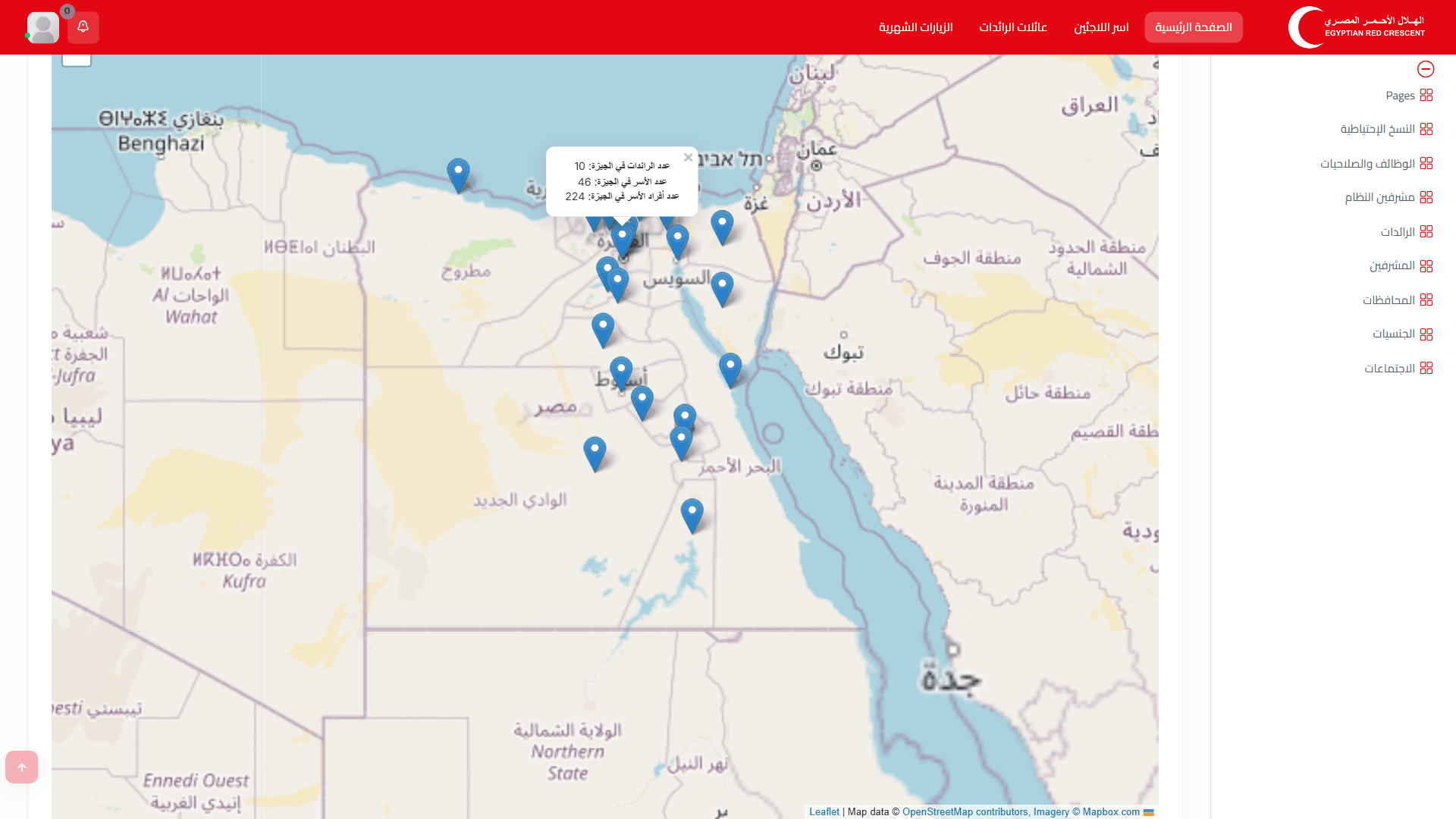
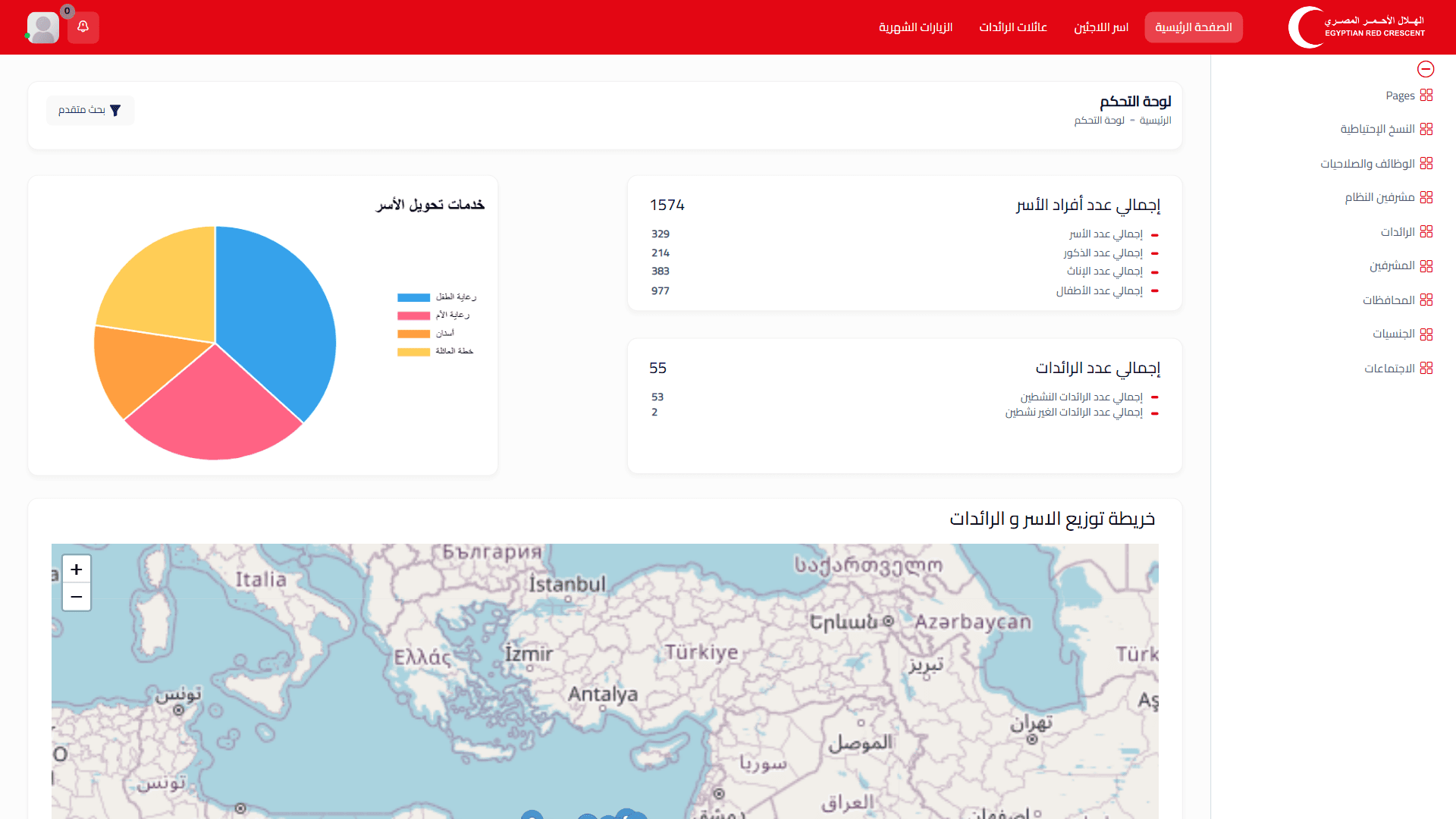
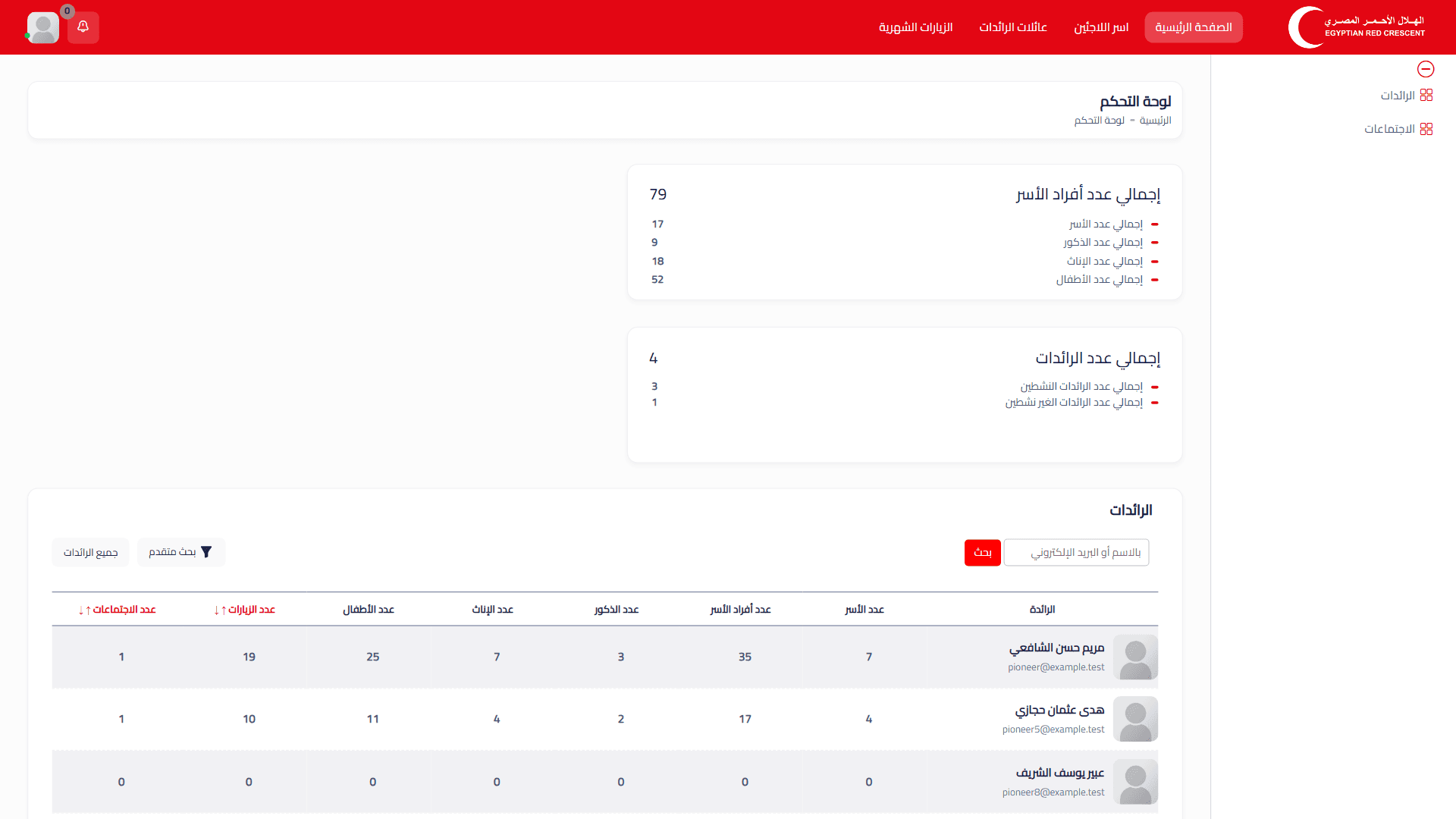
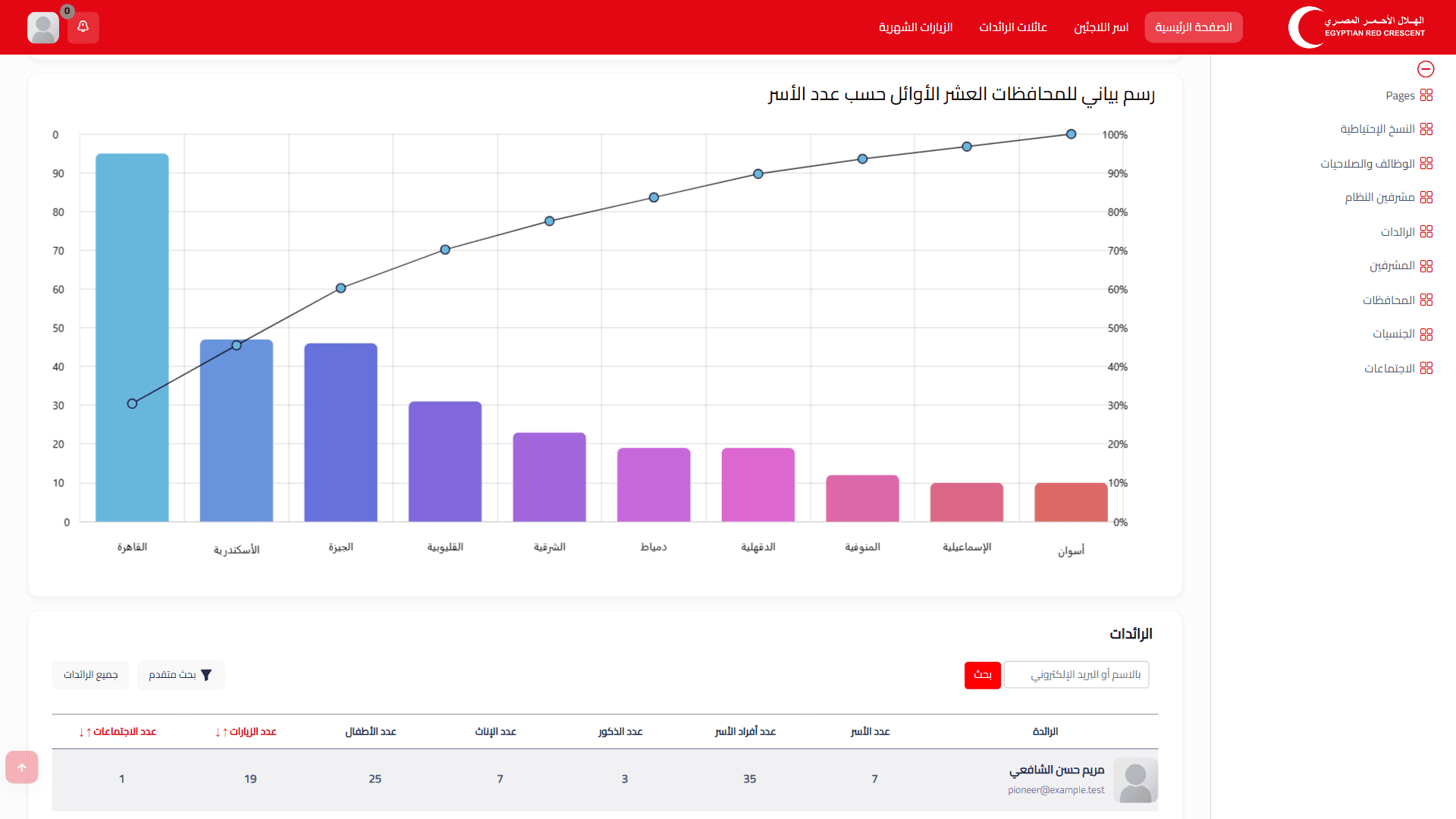
- National dashboard: Totals for families, members and pioneers, a breakdown of referrals by service, an interactive map of all 27 governorates with each one's counts, and a Pareto chart of the governorates carrying most of the families.
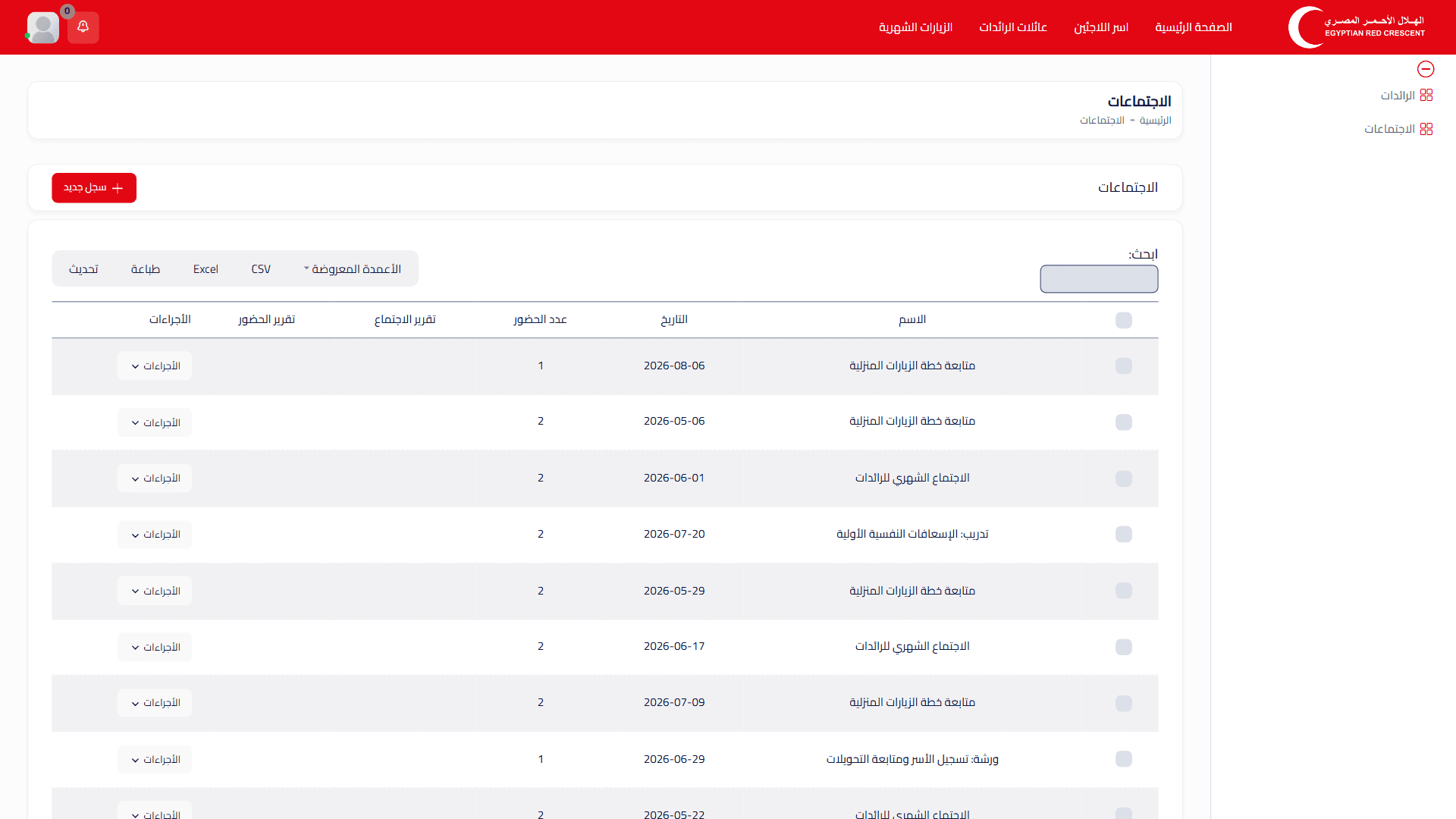
- Meetings and attendance: Supervisors record meetings and trainings with a report, and attendance can be imported from an Excel sheet built from a downloadable template.
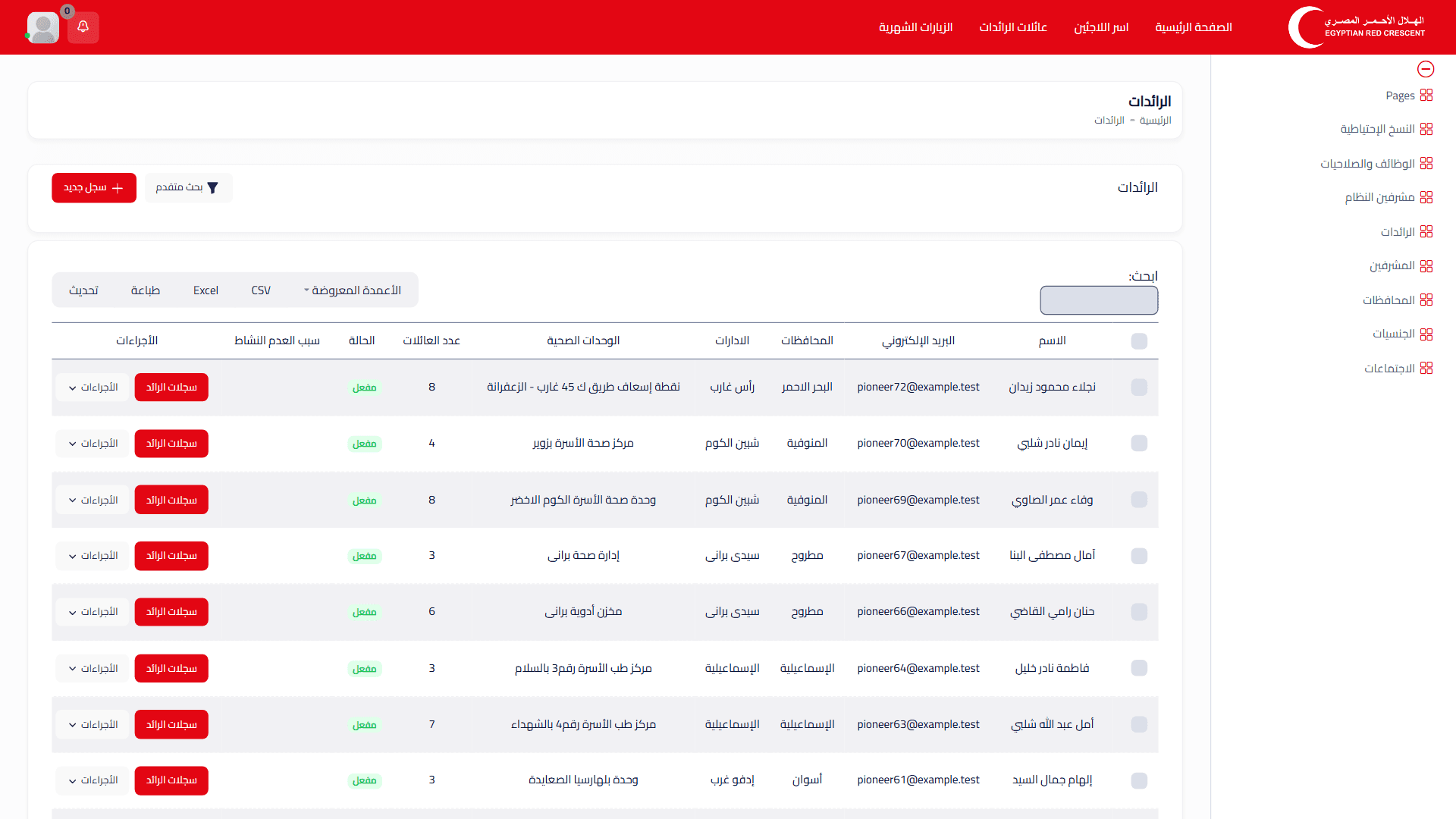
- Pioneer management: A pioneer can be suspended with a recorded reason or moved between health units with a log of the move, and her families are transferred to a colleague before she is removed.
- Reminders: Pioneers are notified ahead of a scheduled visit, in their own language.